Désolé, vous n'avez pas l'âge requis pour visite notre site
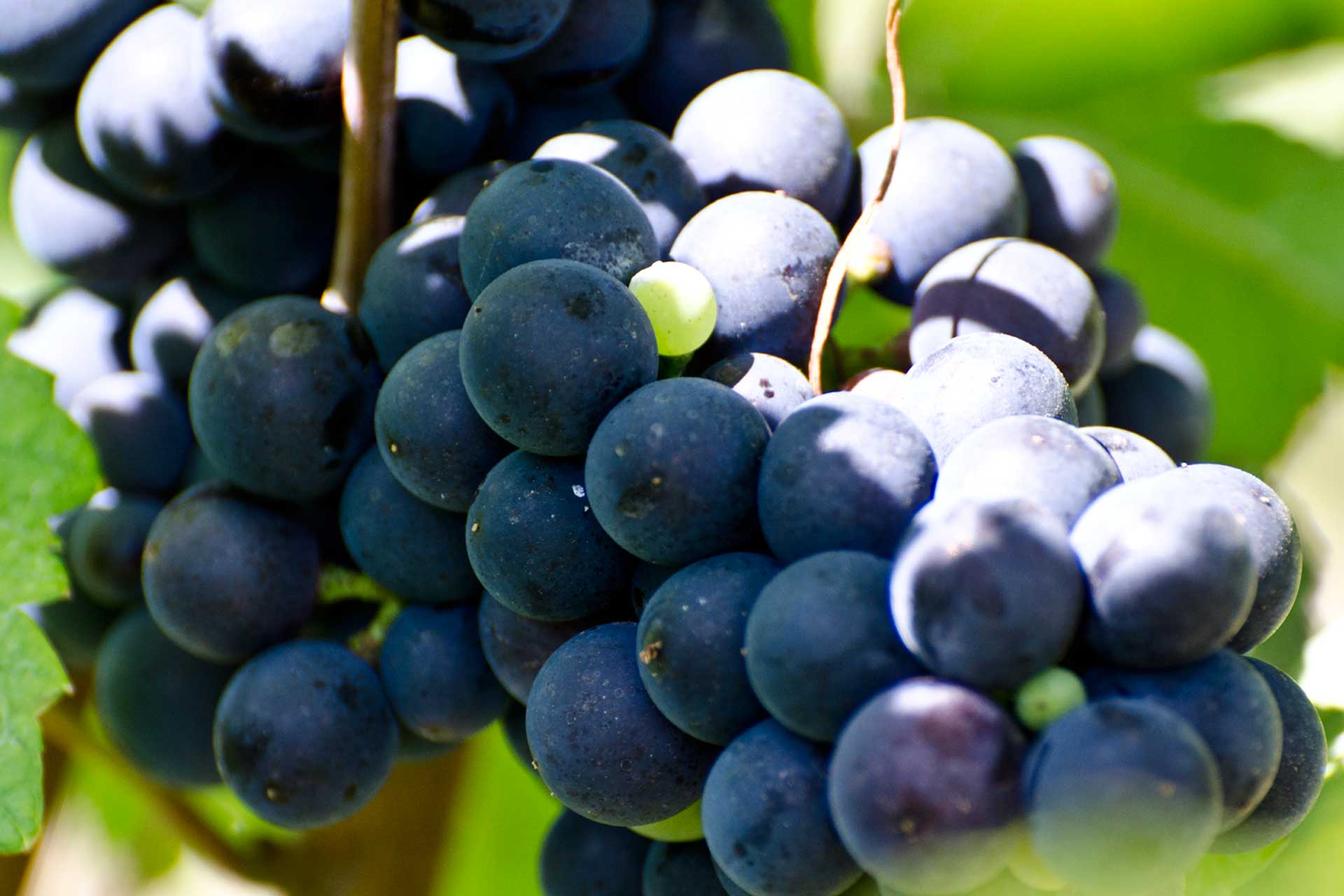
Most of our vineyards are old vines planted with selections massales, the oldest of which date back to 1936. Since the 1990s, we have been working the soil (ploughing and tilling), excluding weedkillers and insecticides.
At the estate, respect for the vines and their environment and the preservation of biodiversity are taken into consideration. All the more so as it is important to take into account our impact on the vineyard in the face of climate change.
The estate's practices have been organic since 2006, and it was in 2016 that Laurent began the 'AB' conversion process, which will be certified in 2019.
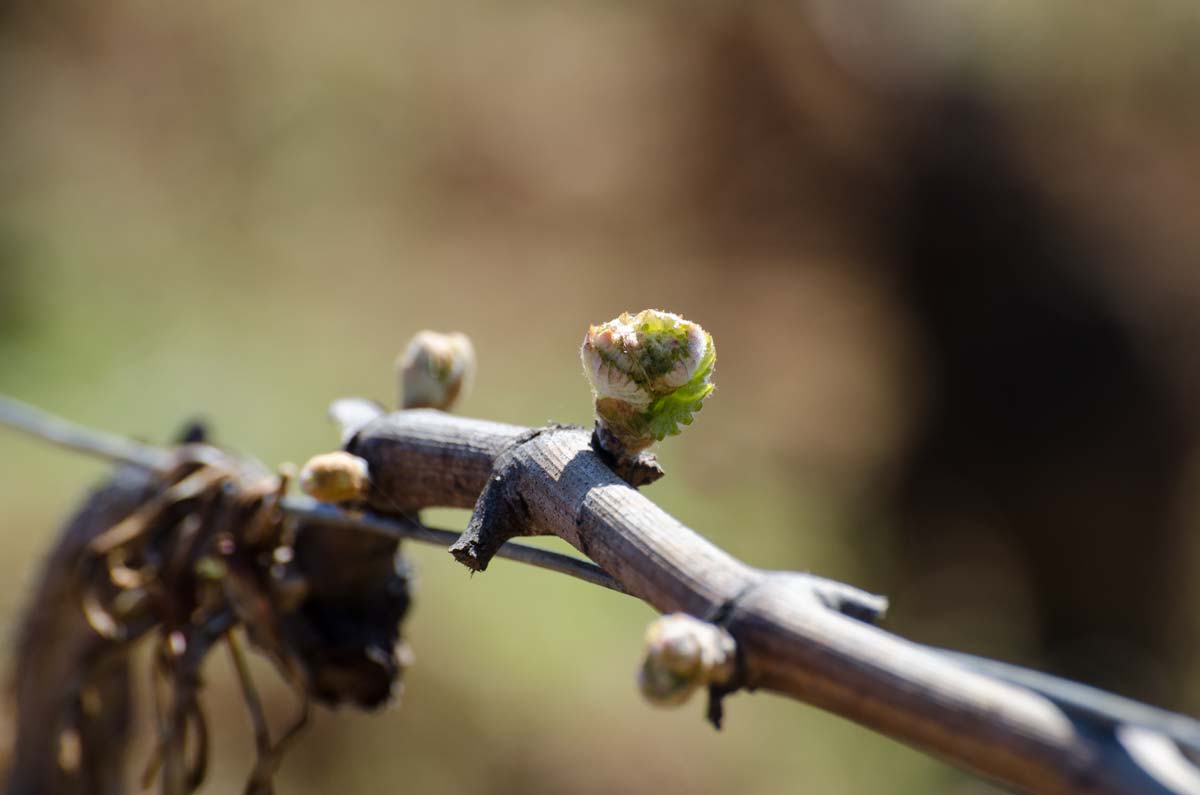
Adapting to climate change obviously means changing our working methods, especially in the vineyard, and moving forward by developing, for example :
It is up to us to respect the heritage that surrounds us and to learn to adapt to these new hazards, for which we do not yet have all the solutions.
Our winemaking and ageing methods are low interventionist. The quality of the fruit is the essential basis for shaping our wines. We make crus that combine freshness, finesse and elegance, yet remain solid with substance and a delicious length on the palate.
Each of our appellations, mainly in the Côte de Nuits (Clos de la Roche, Morey-St-Denis, Gevrey-Chambertin, Chambolle-Musigny, Nuits-St-Georges) and a few in the Côte de Beaune (Pommard, Monthelie, Volnay), faithfully express their unique terroir.
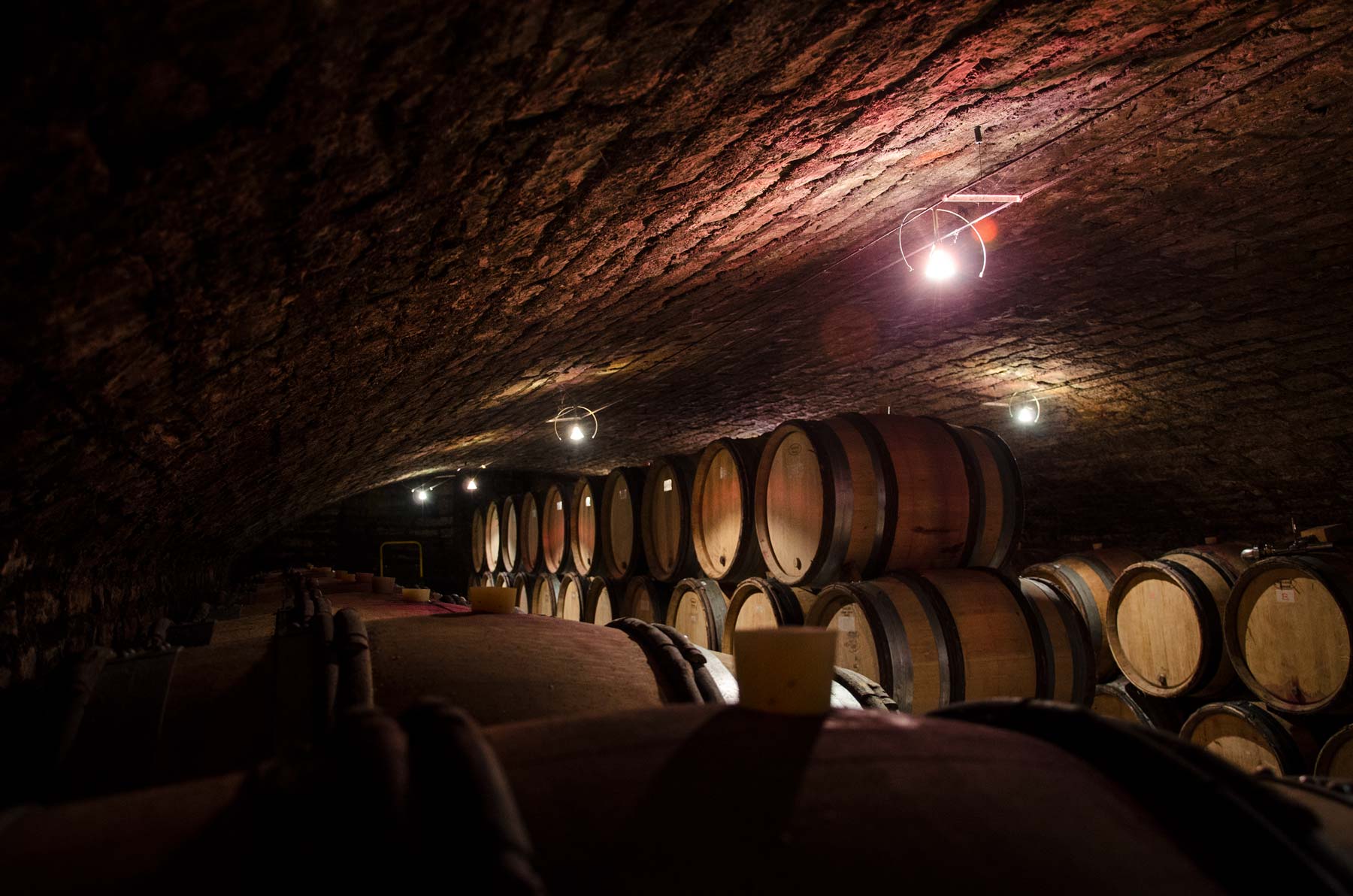
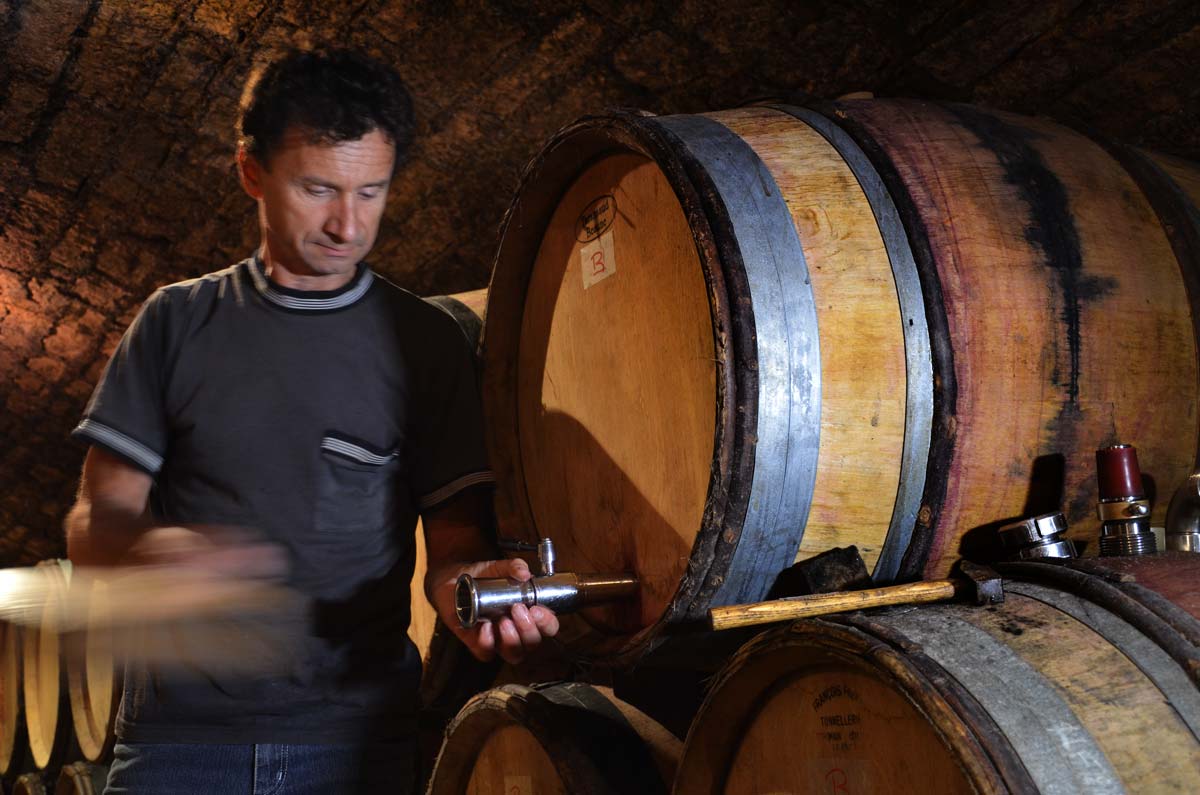
After being harvested by hand and carefully sorted, the grapes are vinified in our vats and matured for almost two years in oak barrels in our cellars. We intervene very little in the vinification process. A proportion of whole bunches is kept to bring balance and complexity. Pumping over and punching down are carried out in harmony to extract delicate, silky tannins. Before the wine is put into barrels, the lees are selected and equally distributed in each barrel, with a proportion of 20-30% new wood.
This is followed by a long ageing period of around twenty months to allow the wines to improve patiently. They are then racked and bottled by gravity, without filtration or clarification. This long, patient process enables us to produce balanced, fine wines with great ageing potential, while remaining accessible relatively young.
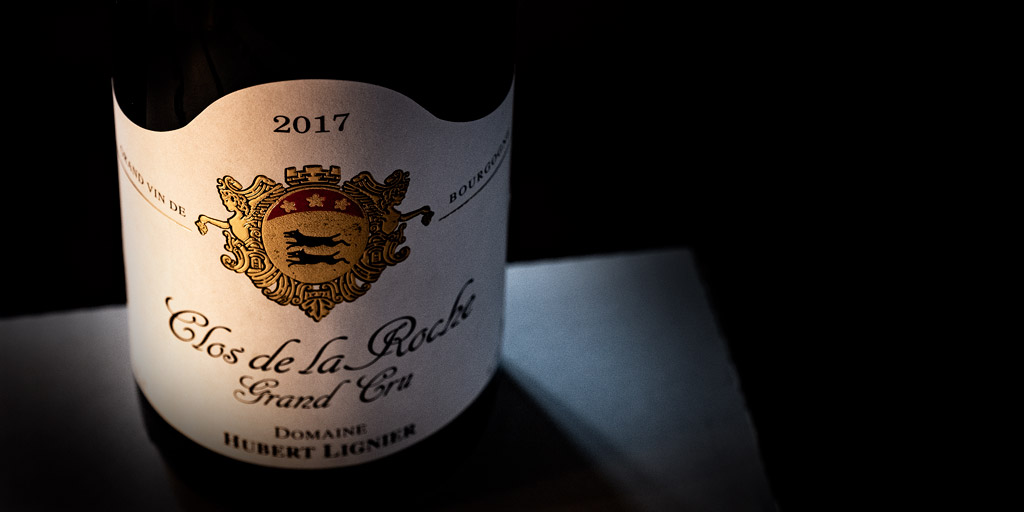
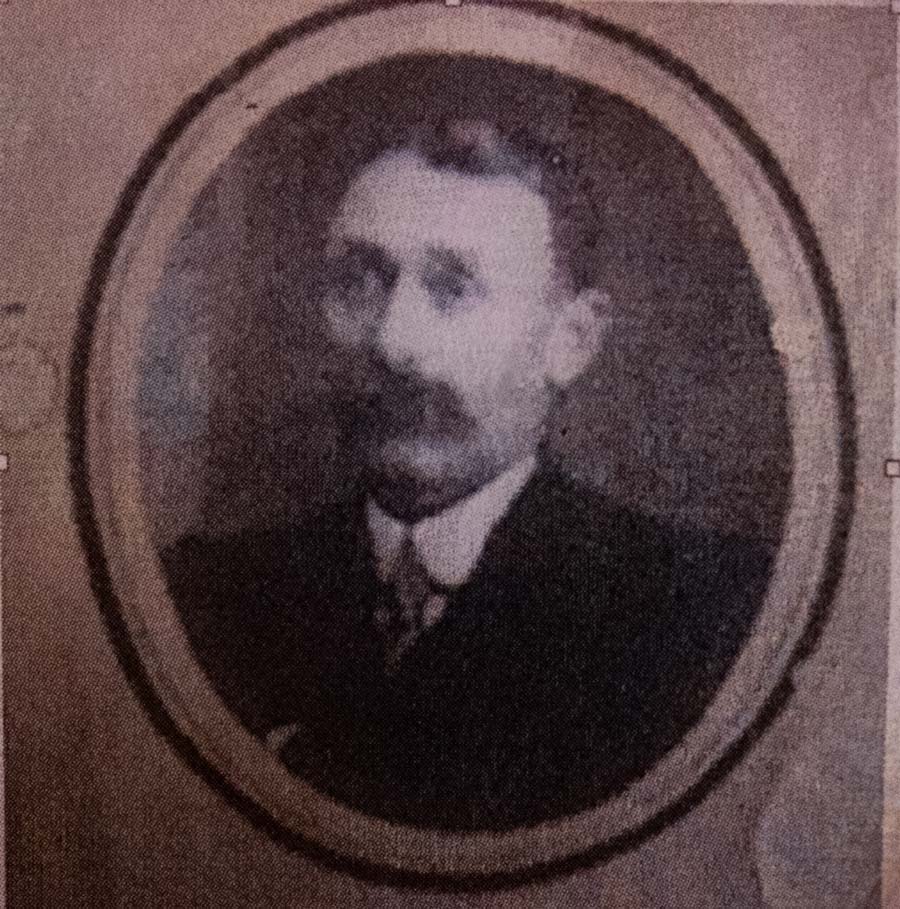
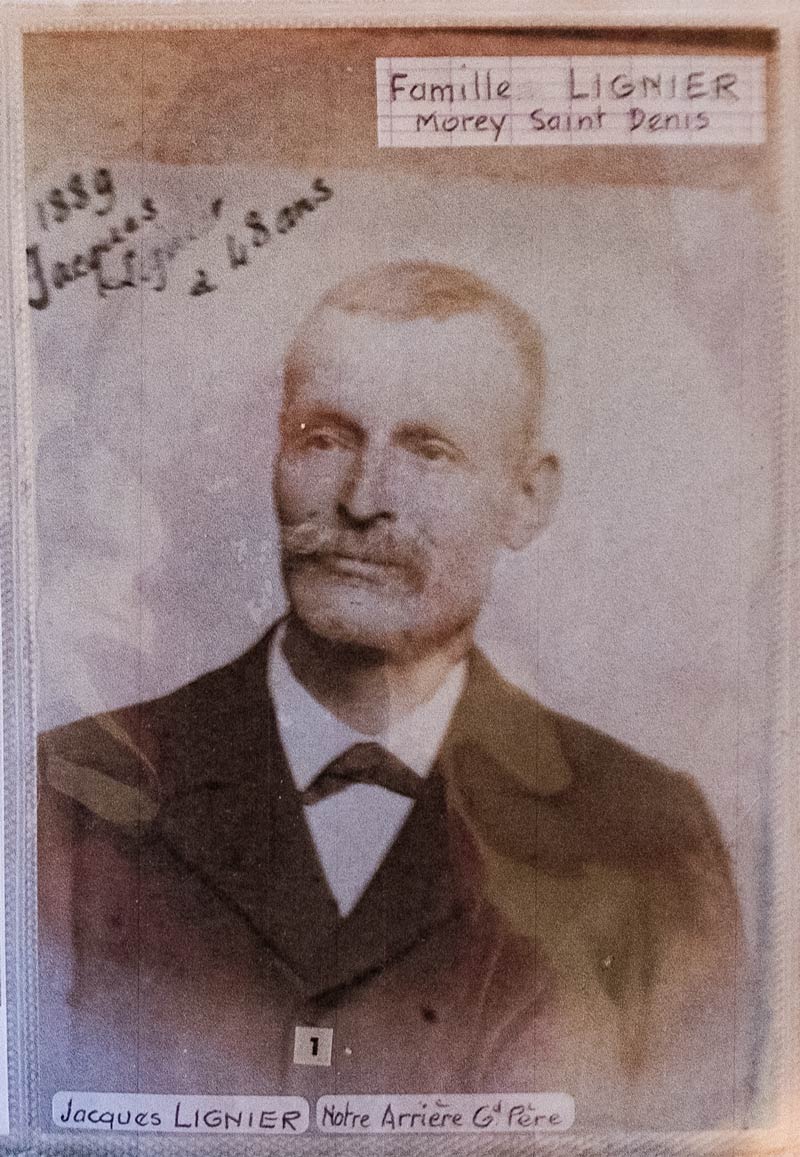
At the beginning of 1885, Jacques Lignier, foreman on an estate in the Côte de Nuits, acquired plots of vines decimated by phylloxera. At the beginning of the 20th century, his son Jules Lignier helped his father to replant new vines and build up a real wine heritage, which he passed on to his three sons, Georges, Maurice and Henri.
Henri, like his other two brothers, developed his own estate to 4.5 hectares of vines by 1960. He preserved many fruit trees in the heart of his vineyards. Of course, the work was done by hand, with only the horse supporting the hard labour of the time.
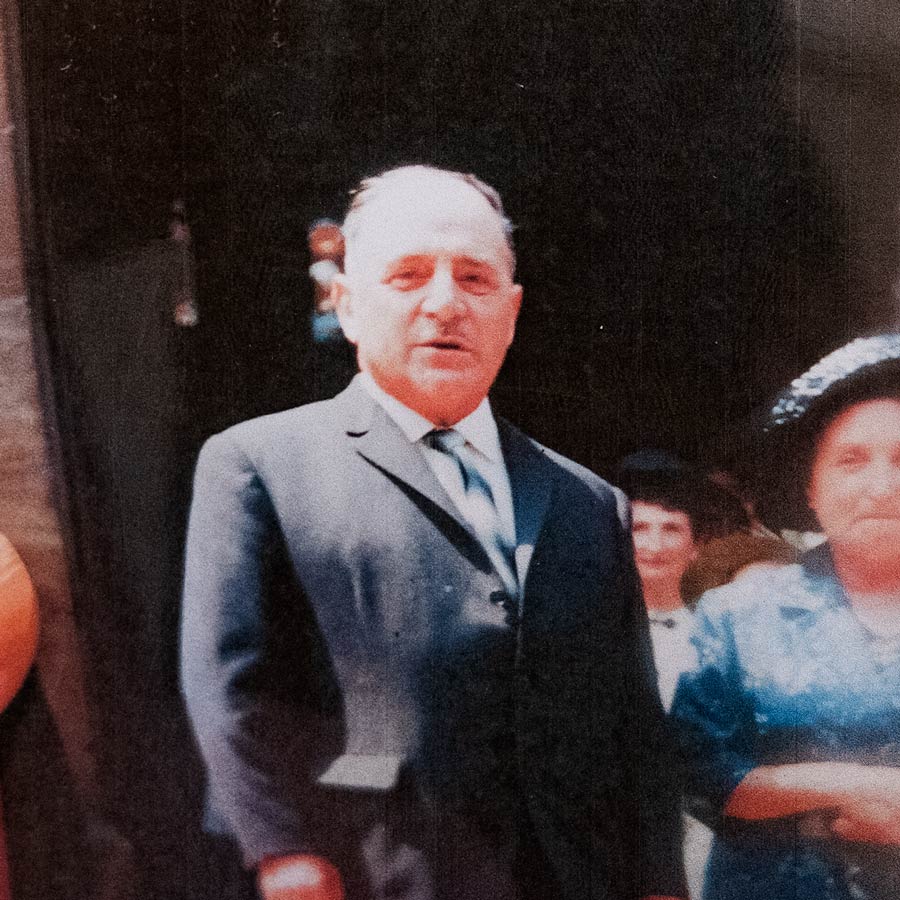
Hubert, his eldest son, took over the business in 1959, and over the years developed it by buying new plots or consolidating with his neighbours. His know-how in the vineyard and in winemaking helped to improve the quality of his wines. In 1973, in the midst of the economic crisis, he introduced bottling on the estate.
Hubert and Françoise had three children, and Romain, the youngest, joined his father on a 7.5 hectare estate in 1992. Together with Hubert, Romain began to work the soil. The estate became increasingly well-known for its rigorous winemaking methods. But Romain died tragically at the age of 34.
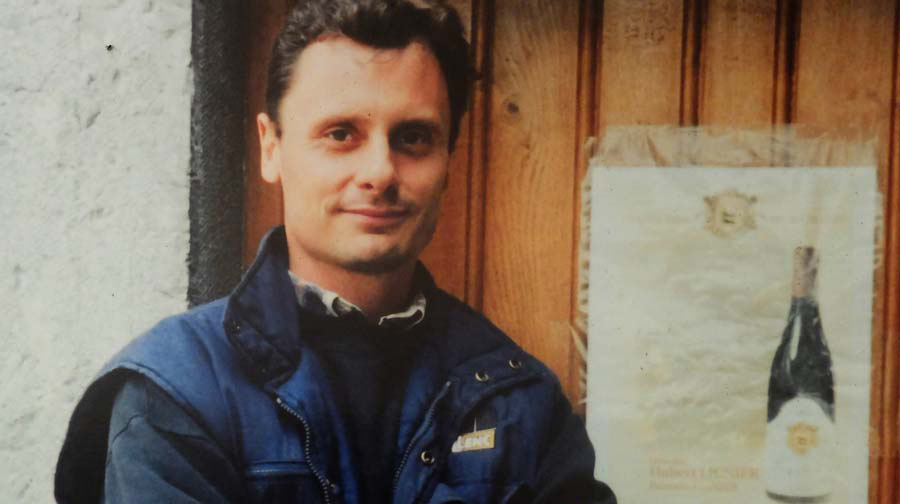
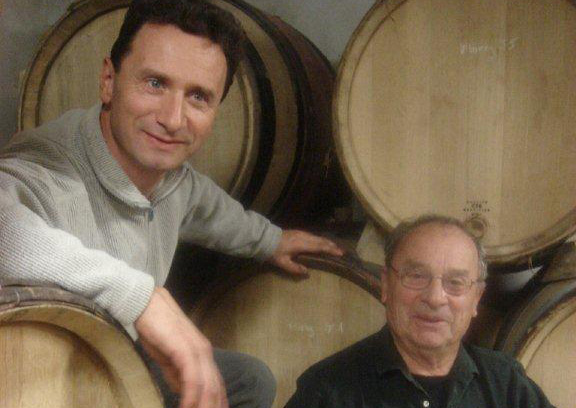
In 2004, his brother Laurent came to support his parents Hubert and Françoise through this difficult period. In 2007, Laurent decided to do away with all synthetic products in order to lead the estate to organic certification in 2019. Françoise, who gave Hubert a great deal of support in the vineyards and at harvest time, died in 2018.
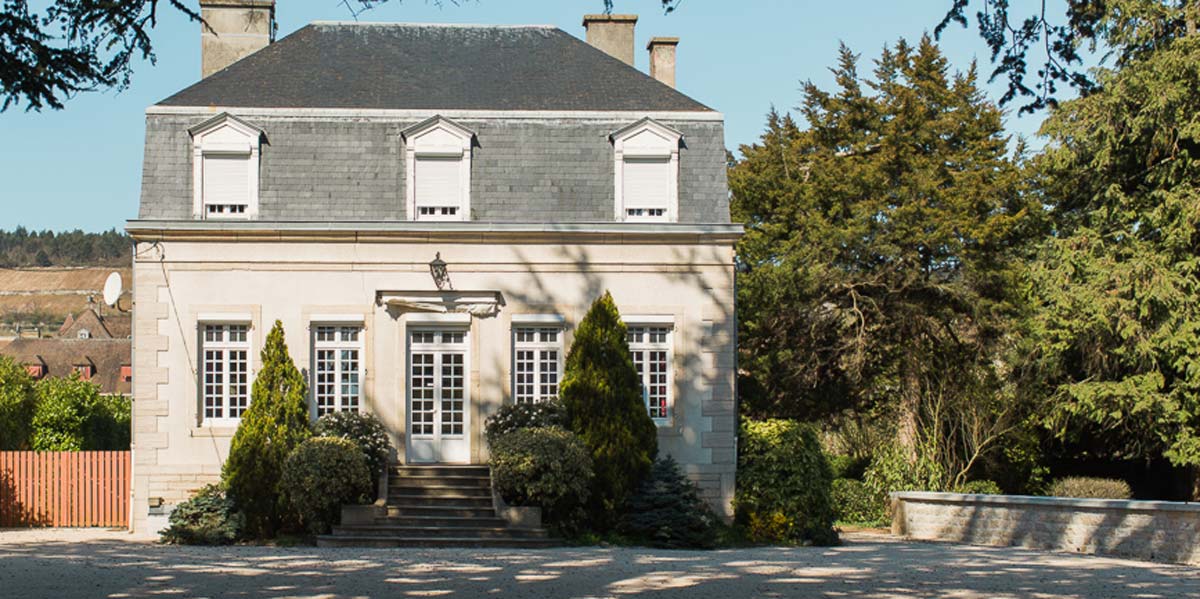
Under Laurent's impetus, the estate moved to a new winery in 2008 in Morey-Saint-Denis, at 13 route nationale. By 2020, the estate had grown to 11 hectares. Hubert's expertise and Laurent's winemaking style have enabled the wines to become even more delicate and precise.
Today, the passion for the job continues to be passed on with the gradual arrival of Sébastien and Maëlle ...